What is a piling rig? Site access, working platforms and preparation explained
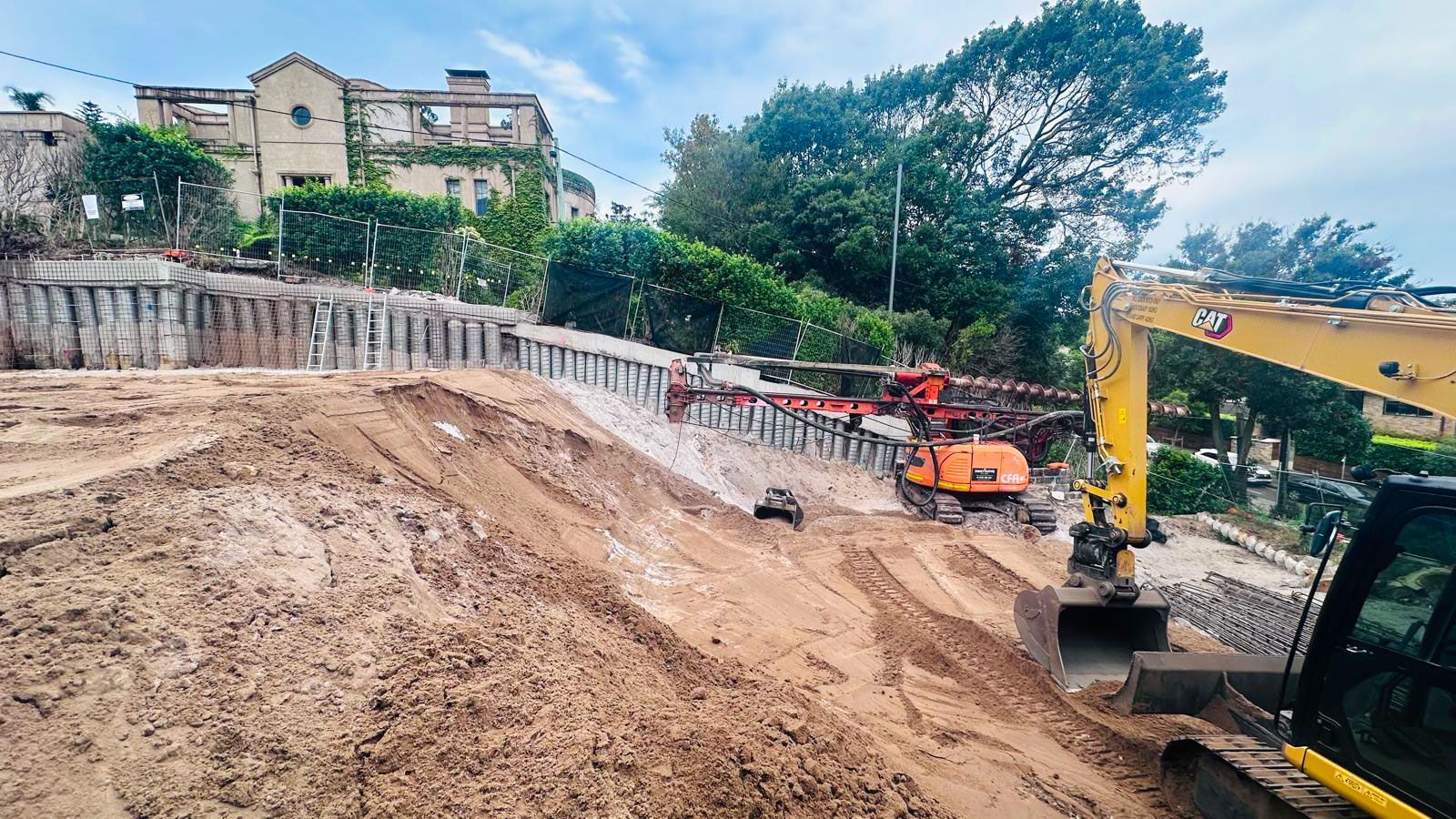
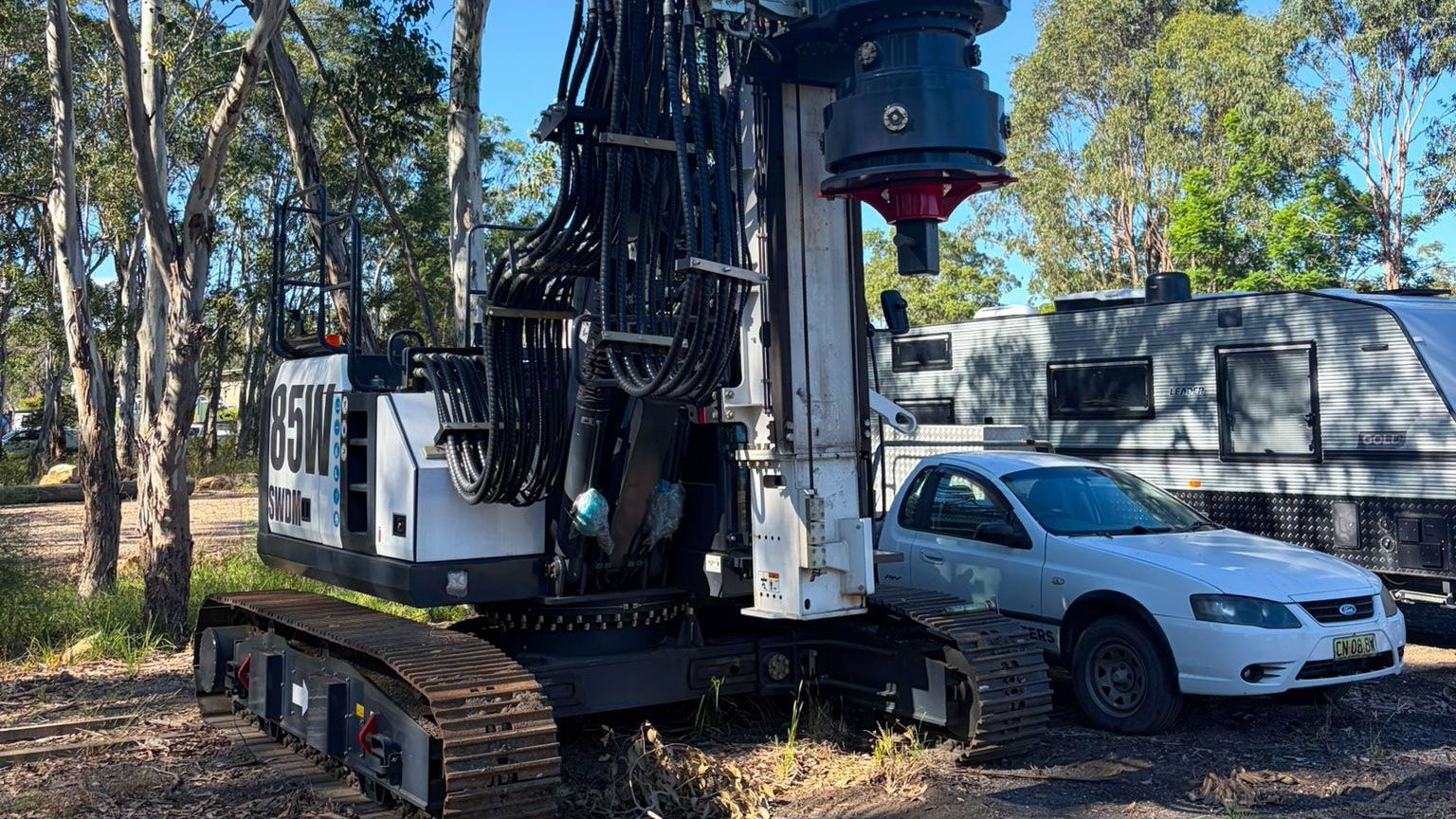
A piling rig is specialised equipment used to construct piles for deep foundation and retaining systems. Depending on its configuration, a rig may drill CFA piles, bored piles or perform other piling operations. The rig itself is only one part of the delivery method: safe access, a suitable working platform, material logistics and coordination with the wider site are all essential.
Early preparation matters because piling equipment is larger and heavier than many items of general construction plant. A workable route to the piling area and sufficient operating space need to be considered before mobilisation is booked.
What does a piling rig do?
A piling rig provides the torque, crowd force, vertical control and lifting capability required for the selected piling method. Its tooling and attachments are matched to the design and anticipated ground conditions.
For CFA work, the rig operates a continuous hollow-stem auger. For bored piling, it may use different augers, drilling buckets or rock tools. The final equipment selection depends on the pile dimensions, depth, ground profile, site constraints and approved methodology.
How is the right piling rig selected?
The largest available rig is not automatically the best choice. A rig needs enough capability for the foundation design while remaining compatible with the site. Selection considers:
- Specified pile type, diameter and depth.
- Expected soil, rock and groundwater conditions.
- Required drilling and lifting capacity.
- Entry dimensions and overhead clearance.
- Available operating and turning space.
- Working-platform conditions.
- Concrete, reinforcement and spoil logistics.
Restricted access may require a smaller rig or a different method such as hand piling. That decision should be made by reviewing both the engineering and the physical site constraints.
What access details should be checked?
The entire mobilisation route should be reviewed, not only the final piling area. Gates, driveways, kerbs, slopes, soft ground, sharp turns and overhead restrictions can all affect delivery. Temporary structures, scaffolding or stored materials may also reduce access after initial planning.
Clear site photographs, measurements and levels help identify constraints. Where access is especially tight or complex, a site inspection may be needed before confirming the mobilisation approach.
Why is the working platform important?
The working platform is the area from which the piling rig operates and travels. It must be planned for the actual equipment and site conditions. An unsuitable platform can affect safety, rig stability, positioning and productivity.
Platform requirements should be coordinated through the project’s engineering and site-management processes. The area also needs to remain clear enough for piling operations, concrete placement, reinforcement handling and spoil movement.
What services and surrounding conditions matter?
Underground and overhead services require careful consideration before piling begins. The project team should confirm available service information, investigation requirements and any necessary exclusion zones. Nearby structures, boundaries and active work areas can also affect rig positioning and the construction sequence.
Noise, vibration, dust and spoil management should be addressed in the methodology and site controls. The appropriate measures depend on the piling method and the environment surrounding the work.
How should concrete, reinforcement and spoil be coordinated?
Piling creates a flow of materials through a defined work area. Reinforcement needs to be stored and lifted safely. Concrete delivery must align with the installation sequence. Excavated material needs a planned location and removal route.
If those movements compete for the same limited space, productivity and safety can be affected. A clear logistics plan helps the site team keep access routes open and reduce conflicts with other trades.
What information does a piling contractor need?
Provide the piling drawings, structural information, geotechnical report and proposed program wherever possible. Access measurements, photographs, platform information and service details help the contractor assess how the specified work may be delivered.
It is also useful to identify concrete access, reinforcement storage, spoil areas and any restrictions on working hours or vehicle movements.
Preparing for a more efficient mobilisation
Good preparation links the design to the practical realities of the site. C to C Group provides piling rig services for heavier, deeper and more demanding foundation systems and works closely with builders, developers and engineers to coordinate tailored solutions.
To discuss rig access and project preparation, send C to C Group the available plans, ground information and site details.