How deep do pile foundations need to be? Key engineering and ground considerations
There is no universal depth for a pile foundation. The required depth is determined by the structural loads, soil and rock profile, groundwater conditions, settlement criteria, pile type and engineering design for the specific project. Two nearby sites can require different foundation solutions if their structures or ground conditions differ.
A piling contractor installs the designed system and contributes practical constructability input, but pile depth should not be selected from a rule of thumb or price comparison alone. It must be supported by appropriate geotechnical and structural information.
Why do pile foundations extend below the surface?
Piles transfer structural loads to the ground through resistance at the pile base, friction along the shaft or a combination of both. If near-surface soils cannot provide the required support or settlement performance, the foundation may need to extend to stronger material or develop sufficient shaft resistance at depth.
The engineer considers how the pile and ground will behave together under the proposed loads. This is why depth, diameter, reinforcement and pile arrangement are assessed as one system.
Which ground conditions influence pile depth?
The vertical sequence of soil and rock is central to foundation design. Fill, soft or compressible soils, dense materials, weathered rock and competent rock each behave differently. Groundwater may also affect design and construction planning.
A geotechnical investigation provides information about the expected subsurface profile. Boreholes, testing and professional interpretation help identify the materials present and their engineering characteristics. The required level of investigation depends on the project.
How do structural loads affect the design?
Foundation loads arise from the structure and how it is expected to perform. A heavier or more demanding structure may require piles with different dimensions, capacity or arrangement than a smaller project on the same ground.
The design also considers settlement and movement, not only ultimate capacity. Individual piles, pile groups and their connection to the wider foundation system must work together to meet the project criteria.
Does the piling method change the required depth?
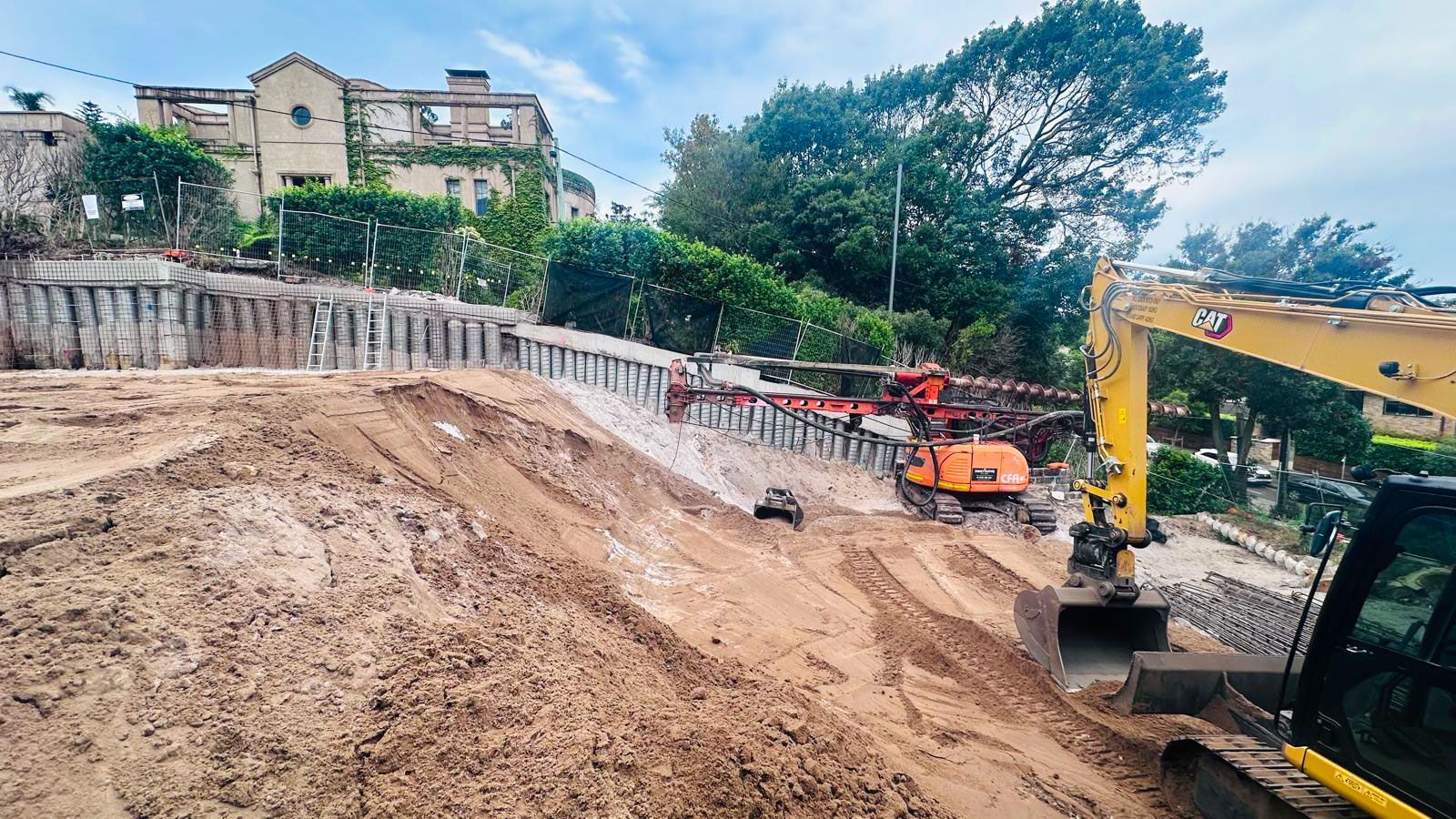
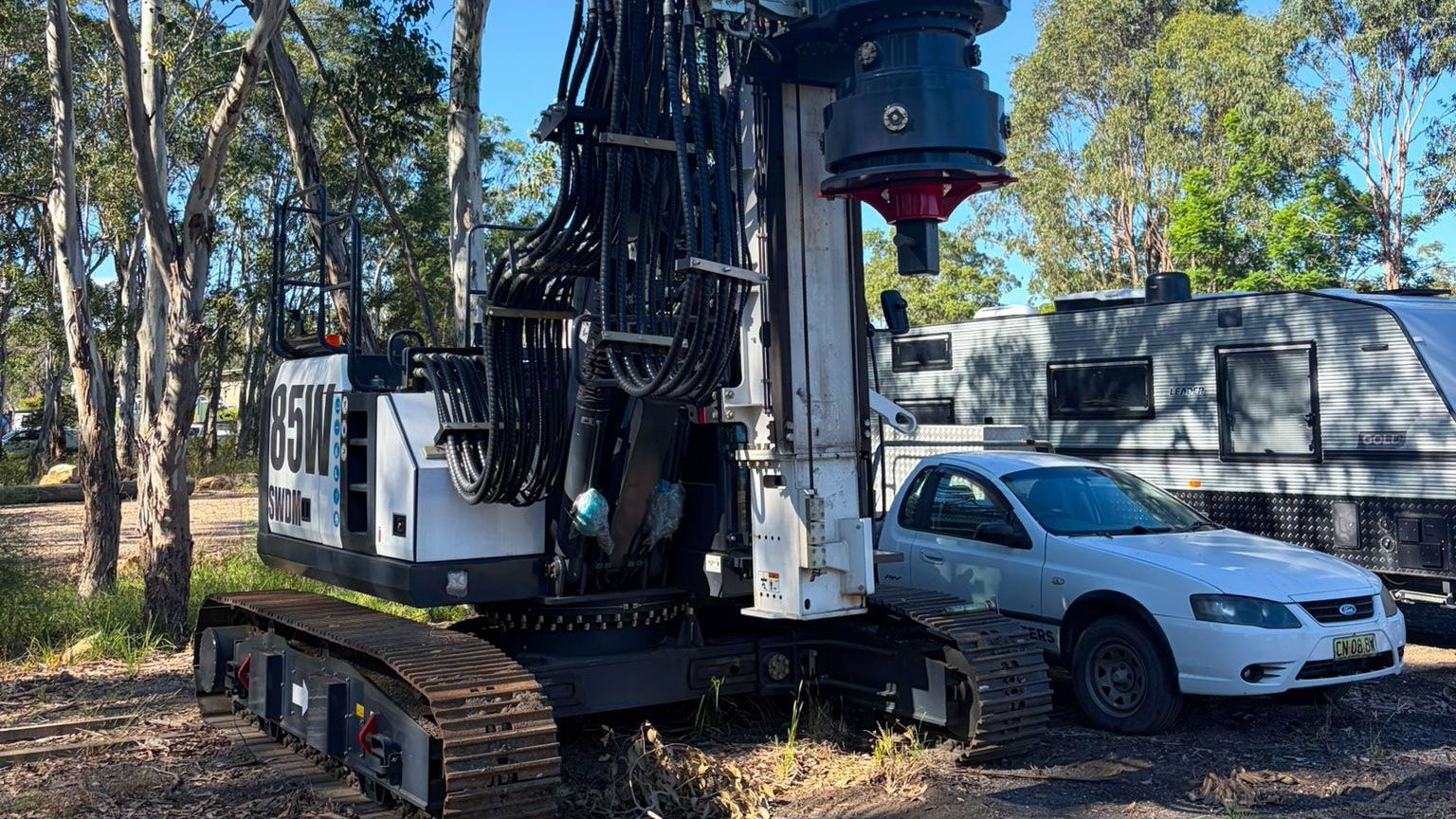
The chosen method affects how the pile can be constructed, but the method should still satisfy the engineering requirements. CFA piles, bored piles and hand-installed piles have different construction sequences and practical constraints.
The engineer and piling contractor need to coordinate the design intent with achievable installation. Ground conditions, rig capacity, tooling, access and reinforcement requirements all contribute to that discussion.
Can pile depth be confirmed before construction?
Engineering and geotechnical information provide the basis for the design, but actual ground conditions should be monitored during installation. Project specifications may require installation records, inspections or testing to confirm that the completed work meets the design intent.
The process for addressing unexpected conditions should be clear before piling starts. This allows the contractor, engineer and builder to communicate quickly if the encountered ground differs from the available information.
Why can neighbouring projects have different pile depths?
Distance alone does not make two foundation designs equivalent. Differences in building loads, site levels, excavation, retaining requirements, soil profile, groundwater and project performance criteria can lead to different solutions.
Information from nearby work may provide context, but it should not replace project-specific investigation and engineering.
What information supports an accurate piling scope?
- Structural and foundation drawings.
- Pile schedules and design criteria.
- The geotechnical report and available ground data.
- Site levels and proposed excavation.
- Access routes and working-platform information.
- Known underground and overhead services.
- The construction program and surrounding site constraints.
When these details are considered together, the piling contractor can provide more useful constructability feedback and plan the equipment, materials and sequence around the design.
From engineering depth to practical delivery
C to C Group provides foundation services and integrated piling capability for commercial and civil projects, from restricted-access areas to full-scale rig works. Our team works with builders, developers and engineers to understand the design, ground and site requirements before mobilisation.
If you have a proposed pile layout or foundation design, contact C to C Group with the available engineering and geotechnical information.