What is piling? The main piling methods used in foundation construction
Piling is a foundation technique used to transfer structural loads through weaker or variable ground to soil or rock with suitable bearing capacity. It is commonly considered when a conventional shallow foundation cannot provide the required support, when settlement must be carefully controlled or when the structure and site conditions call for a deeper foundation system.
There is no single piling method that suits every project. The appropriate solution depends on the engineering design, ground conditions, required pile depth and capacity, site access, construction sequence and surrounding environment. Understanding those factors early helps builders, developers and engineers establish a clearer, more practical foundation scope.
What is the purpose of piling?
A pile forms part of the load path between a structure and the ground. Depending on its design, it may transfer load through end bearing at its base, friction along the pile shaft or a combination of both. The pile type, diameter, depth, reinforcement and arrangement are determined through engineering design rather than selected from a standard formula.
Piling may also form part of retaining structures or other engineered foundation systems. In every case, the objective is to create reliable structural support that responds to the loads and ground conditions identified for the project.
When might a project require piling?
Piling may be considered when near-surface soils are unsuitable for the proposed loads, when competent founding material lies deeper below the site or when excavation for shallow foundations would be impractical. It may also be relevant where settlement performance, adjoining structures, restricted access or demanding commercial and civil loads influence the foundation design.
The need for piling should be established by the project’s engineers using the available structural and geotechnical information. A piling contractor can then assess how the specified works may be delivered safely and efficiently within the site constraints.
What are the main piling methods?
CFA piling
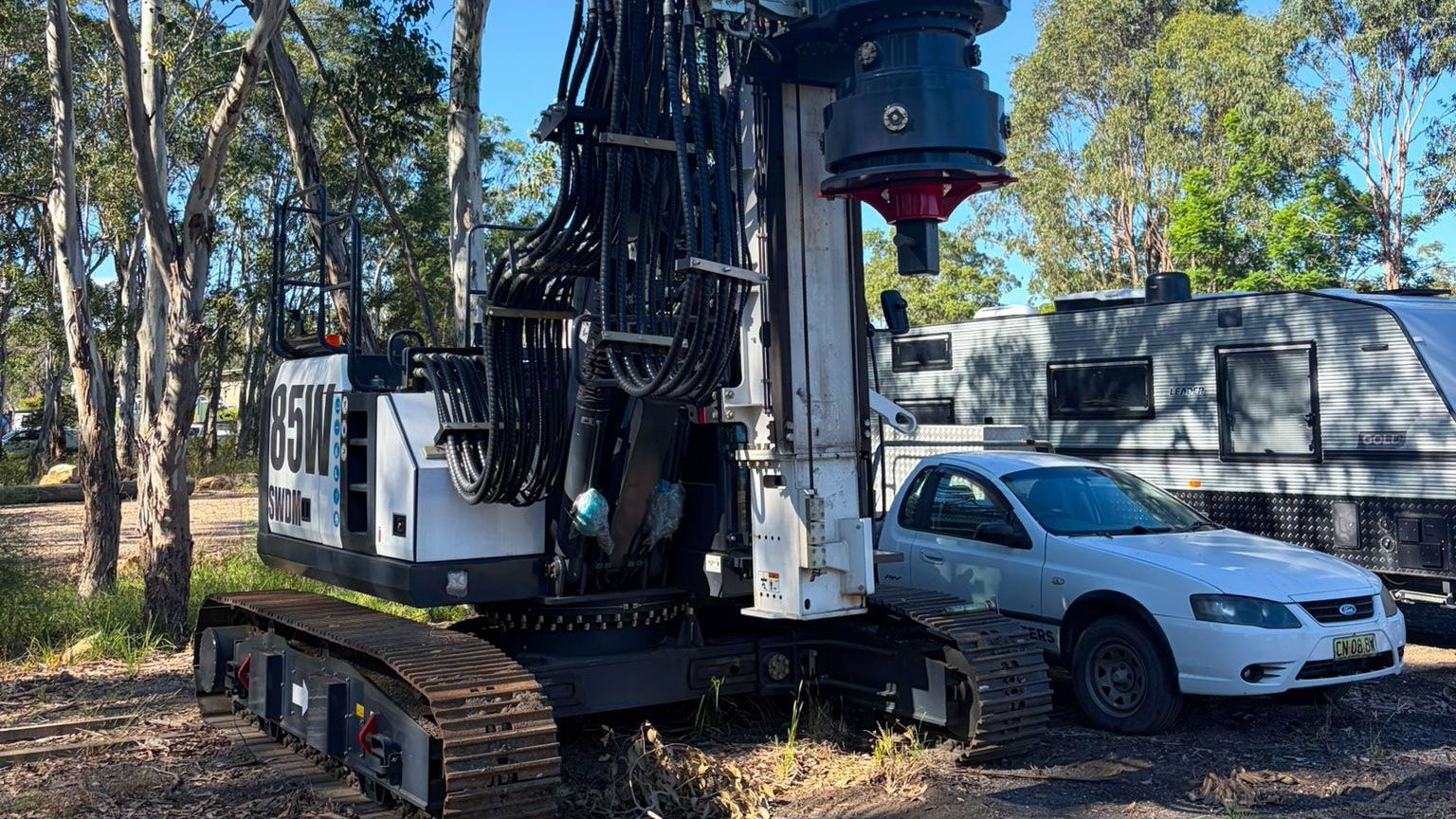
Continuous flight auger piling uses a hollow-stem auger to drill to the required depth. Concrete is pumped through the auger as it is withdrawn, after which reinforcement is installed in accordance with the design. CFA piling can support efficient installation and is often considered where vibration, productivity and controlled construction sequencing are important.
Bored piling
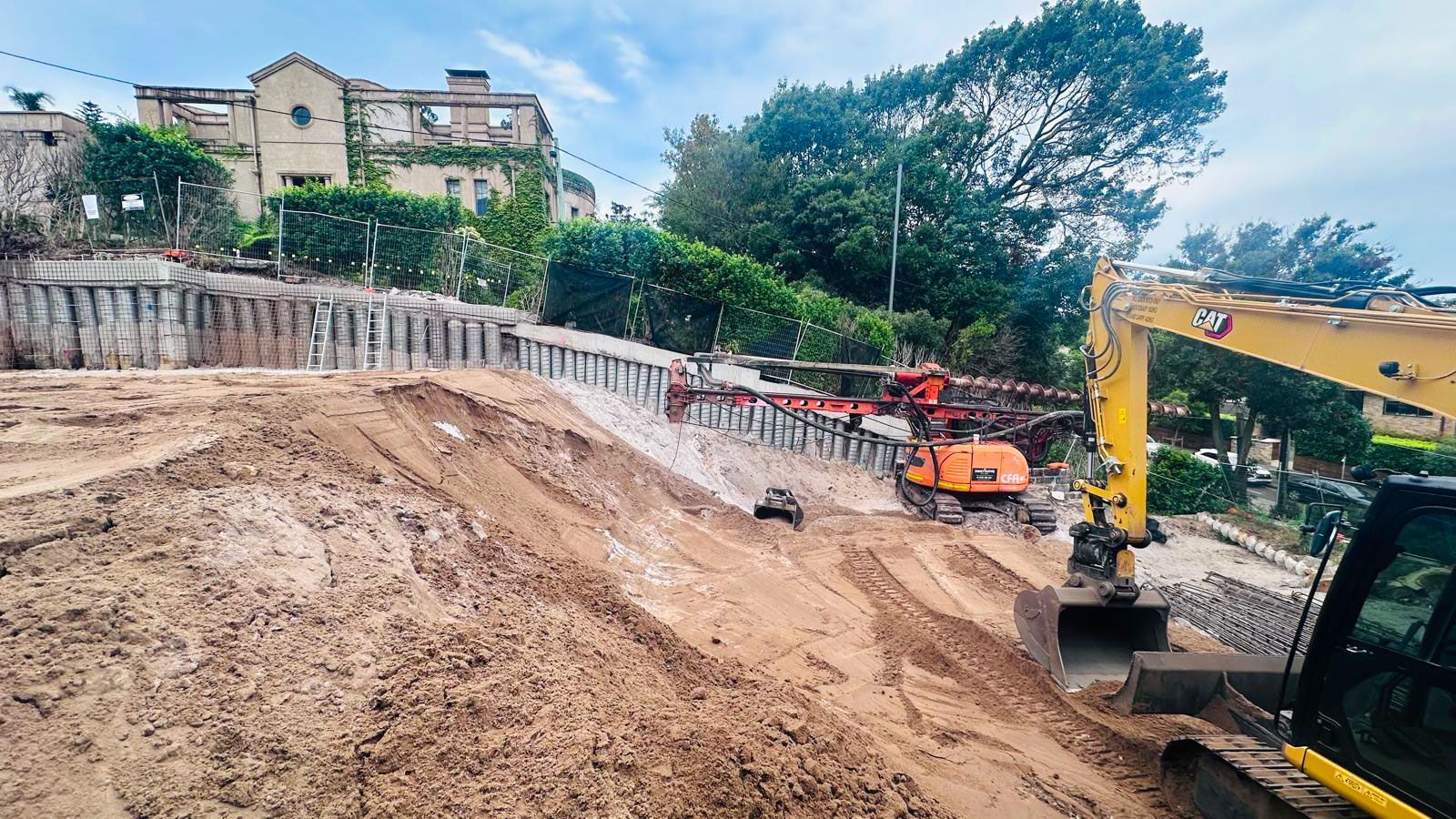
Bored piling involves drilling an open shaft before placing reinforcement and concrete. The method can accommodate different pile diameters and depths and may be specified for substantial structural loads, retaining applications or projects requiring a carefully designed deep foundation system.
Hand piling
Hand piling is used where a conventional piling rig cannot safely or practically reach the work area. It can provide an engineered approach for restricted-access sites, although the methodology still needs to account for the ground conditions, depth, spoil handling, material movement and safe working requirements.
How is the right piling method selected?
Method selection begins with the design requirements, but constructability is equally important. A solution that works technically must also be deliverable within the available access, working area and construction program.
- Engineering requirements: loads, pile dimensions, reinforcement and performance criteria.
- Ground conditions: soil and rock profile, groundwater and the depth of suitable founding material.
- Site access: entry width, height restrictions, slopes, turning space and the route to the piling area.
- Working platform: the area needed to safely support the selected equipment and operations.
- Surrounding conditions: neighbouring structures, underground and overhead services, noise and vibration considerations.
- Project logistics: reinforcement, concrete supply, spoil management and coordination with other trades.
What information helps with early piling planning?
A focused project discussion is easier when the available drawings, engineering details and geotechnical information can be reviewed together. The project address, proposed program, access photographs and details of the working area also help identify practical constraints before mobilisation.
Not every detail will be available at the beginning. Even so, bringing the structural requirements, ground information and site conditions into the same conversation can reduce uncertainty and help the project team identify the next decisions.
Planning piling works with greater certainty
C to C Group provides piling and foundation services for projects ranging from restricted-access works to full-scale rig operations. Drawing on established foundation-industry experience, we work closely with builders, developers and engineers to develop tailored solutions, maintain clear communication and support consistent project delivery.
If you are assessing a project that may require piling, contact C to C Group with the available drawings, engineering information, ground details and site-access requirements.